Understanding the lifespan of your HVAC system is crucial for maintaining a comfortable and energy-efficient home. On average, most HVAC systems are designed to last between 10 to 20 years, depending on various factors such as the type of system, usage, and maintenance practices. Knowing when your system was installed can help you gauge its remaining lifespan and make informed decisions about repairs or replacements. As your HVAC system ages, its performance and efficiency can decline significantly. Older units may struggle to maintain consistent temperatures, leading to increased energy consumption and higher utility bills.
This inefficiency not only affects your comfort but can also put additional strain on the system, potentially leading to costly repairs. Therefore, it’s essential to monitor the age of your unit and recognize the signs that indicate it may be time for an upgrade. Regular maintenance plays a vital role in extending the life of your HVAC system. Simple tasks such as changing filters, cleaning ducts, and scheduling professional inspections can enhance performance and efficiency. However, even with diligent upkeep, all systems have a finite lifespan.
If your HVAC unit is approaching or has surpassed the 15-year mark, it’s wise to start considering your options. Investing in a new system can provide long-term savings through improved energy efficiency and reliability. In summary, understanding your HVAC system's lifespan is not just about knowing how long it will last; it's about recognizing when it's time to take action. By staying informed about the age of your unit and its performance, you can ensure that your home remains comfortable while avoiding unnecessary expenses associated with an outdated system.
Signs That Indicate It's Time for a Replacement
When it comes to maintaining a comfortable home environment, your HVAC system plays a crucial role. However, there comes a time when repairs may no longer be sufficient, and a replacement becomes necessary.Here are some key signs that indicate it might be time to consider replacing your HVAC system.
- Frequent Repairs: If you find yourself calling for repairs multiple times a year, it’s a clear sign that your HVAC system is struggling. Frequent breakdowns not only disrupt your comfort but can also lead to escalating repair costs. If the total cost of repairs approaches or exceeds half the price of a new unit, it’s often more economical to invest in a replacement.
- Rising Energy Bills: An increase in your energy bills can indicate that your HVAC system is working harder than it should. As systems age, they become less efficient, leading to higher energy consumption.
If you notice a significant spike in your utility bills without any changes in usage, it may be time to evaluate the efficiency of your unit.
- Inconsistent Temperatures: Are certain rooms in your home too hot or too cold? Inconsistent heating or cooling can signal that your HVAC system is unable to maintain an even temperature throughout your home. This inconsistency can stem from an aging unit that struggles to distribute air effectively.
- Age of the System: The age of your HVAC system is a critical factor in determining whether it’s time for a replacement. Most systems have a lifespan of 10 to 15 years. If your unit is approaching this age, even if it seems to be functioning well, it may be worth considering an upgrade to avoid unexpected failures.
- Unusual Noises: Strange sounds such as banging, clanking, or hissing can indicate serious issues within your HVAC system.
While some noises may be resolved with minor repairs, persistent or loud noises often suggest that the system is nearing the end of its life and may require replacement.
- Excessive Dust and Allergens: If you notice an increase in dust accumulation or allergens in your home, it could be due to an inefficient HVAC system. Older units may not filter air effectively, leading to poor indoor air quality. A new system with modern filtration technology can significantly improve air quality.
The Cost-Benefit Analysis of Repairing vs.
Replacing Your HVAC SystemWhen faced with the decision of whether to repair or replace your HVAC system, conducting a thorough cost-benefit analysis is essential. This analysis not only helps you understand the immediate financial implications but also allows you to consider long-term savings and efficiency gains.
Understanding HVAC Repair Costs
Repair costs can vary significantly based on the nature of the issue. Common repairs might include:
- Replacing a faulty thermostat
- Fixing refrigerant leaks
- Cleaning or replacing air filters
- Repairing ductwork
- Addressing electrical issues
However, if you find yourself frequently calling for repairs, it may indicate that your system is nearing the end of its lifespan.
The Cost to Replace HVAC Systems
In contrast, replacing an HVAC system can be a significant investment. The cost of a new unit typically ranges from $3,000 to $10,000 or more, depending on factors such as:
- The size and type of system (central air, heat pump, etc.)
- The efficiency rating (SEER rating for air conditioners)
- Installation costs and any necessary modifications to your home’s ductwork
Repair vs. Replace: Making the Decision
To make an informed decision, consider the following:
- Age of Your System: If your HVAC unit is over 10 years old and requires frequent repairs, replacement may be more economical.
- Total Repair Costs: If repair costs exceed 50% of the replacement cost within a year, it’s often wiser to invest in a new system.
- Energy Efficiency: Newer models can save you 20-40% on energy bills compared to older systems.
- Comfort Levels: If your current system struggles to maintain comfortable temperatures or has inconsistent airflow, replacement might be necessary for improved comfort.
Energy Efficiency: The Benefits of Upgrading Your HVAC System
Upgrading to a modern HVAC system can significantly enhance your home's energy efficiency, leading to substantial savings on your energy bills.Today’s energy-efficient HVAC systems are designed with advanced technology that not only reduces energy consumption but also improves overall comfort in your living space.
Understanding Energy Efficiency Ratings
When considering a new HVAC system, it’s essential to look at its energy efficiency ratings. The Seasonal Energy Efficiency Ratio (SEER) for air conditioners and the Annual Fuel Utilization Efficiency (AFUE) for furnaces are critical metrics. Higher ratings indicate better efficiency, meaning that the system uses less energy to provide the same level of heating or cooling. For instance, a system with a SEER rating of 16 is significantly more efficient than one with a rating of 10, translating into lower monthly utility bills.
Benefits of New HVAC Technology
- Smart Thermostats: Many new systems come equipped with smart thermostats that learn your schedule and adjust temperatures accordingly, optimizing energy use.
- Variable Speed Motors: These motors allow the system to operate at different speeds, providing more precise temperature control and reducing energy waste.
- Improved Insulation: Modern units often feature better insulation and sealing, which minimizes energy loss and enhances performance.
Long-Term Energy Savings
The initial investment in an energy-efficient HVAC system may be higher than that of a standard unit; however, the long-term savings can be significant.
Homeowners can expect to see a reduction in their energy bills by as much as 30% or more after upgrading. Additionally, many utility companies offer rebates and incentives for installing high-efficiency systems, further offsetting the cost.
Environmental Impact
Choosing an energy-efficient HVAC system is not just beneficial for your wallet; it also contributes positively to the environment. By reducing energy consumption, you lower your carbon footprint and help decrease greenhouse gas emissions. This is particularly important for environmentally conscious consumers who are looking to make sustainable choices in their homes.In conclusion, upgrading to an energy-efficient HVAC system offers numerous advantages, including lower utility bills, enhanced comfort, and a positive environmental impact.
Investing in modern technology not only pays off financially but also aligns with a commitment to sustainability.
Common Myths About HVAC Replacement
When it comes to HVAC replacement, many homeowners are often influenced by myths and misconceptions that can cloud their judgment. Understanding the truth behind these myths is crucial for making informed decisions about your home’s heating and cooling systems.Myth 1: HVAC Systems Last Forever
One of the most prevalent myths is that HVAC systems are built to last indefinitely. In reality, most systems have a lifespan of 10 to 20 years, depending on usage and maintenance. After this period, efficiency tends to decline, leading to higher energy bills and more frequent repairs.
Regular HVAC upkeep nearby can extend the life of your system, but eventually, replacement becomes necessary.
Myth 2: Repairs Are Always Cheaper Than Replacement
Many homeowners believe that repairing an old system is always more cost-effective than replacing it. While minor repairs can be less expensive in the short term, ongoing issues can add up quickly. If repair costs exceed 50% of the price of a new unit, it may be more economical to invest in a replacement that offers better efficiency and reliability.
Myth 3: New HVAC Systems Are Too Expensive
Another common misconception is that new HVAC systems are prohibitively expensive. While the initial investment can be significant, modern units are designed to be more energy-efficient, which can lead to substantial savings on utility bills over time.
Additionally, many manufacturers offer financing options and rebates that can help offset the cost.
Myth 4: All HVAC Systems Are the Same
Not all HVAC systems are created equal. Different models come with varying efficiencies, features, and technologies. Investing in a high-efficiency system may have a higher upfront cost but can provide long-term savings through reduced energy consumption.
Myth 5: You Can Install a New System Yourself
Some homeowners may think they can save money by installing a new HVAC system themselves. However, improper installation can lead to inefficiencies and even safety hazards.
It’s always best to hire a licensed professional who understands local codes and regulations to ensure proper installation and optimal performance.By debunking these common myths about HVAC replacement, homeowners can make more informed decisions regarding their heating and cooling needs. Understanding the realities of HVAC systems not only helps in planning for replacements but also ensures that you invest in solutions that enhance comfort and efficiency in your home.
Consulting with Professionals: When and Why You Should Seek Help
When it comes to maintaining your HVAC system, knowing when to consult a professional can make all the difference in ensuring your home remains comfortable and energy-efficient. While some minor issues can be addressed with DIY solutions, there are specific situations where seeking help from HVAC professionals nearby is essential.Understanding the Importance of Professional Assessments
One of the primary reasons to consult an HVAC expert is to obtain a thorough assessment of your system's condition. Professionals have the training and experience necessary to identify problems that may not be immediately apparent to homeowners.
They can evaluate:
- The overall efficiency of your system
- Potential safety hazards, such as gas leaks or electrical issues
- Signs of wear and tear that could lead to future breakdowns
- Air quality concerns that may affect your health
When to Seek Help
There are several key indicators that suggest it’s time to reach out for professional assistance:
- Frequent Repairs: If you find yourself calling for repairs multiple times a year, it may be more cost-effective to replace the unit rather than continue patching it up.
- Age of the System: As mentioned earlier, systems older than 10 years often require more frequent maintenance. A professional can help you determine if replacement is a better option.
- Inconsistent Temperatures: If certain rooms in your home are too hot or too cold, this could indicate an issue with your HVAC system that needs expert evaluation.
- Unusual Noises: Strange sounds coming from your HVAC unit can signal serious problems. Consulting a professional can help diagnose these issues before they escalate.
The Benefits of Professional Consultation
Engaging with licensed HVAC professionals not only provides peace of mind but also ensures that any work done on your system adheres to local codes and regulations. Additionally, professionals can offer:
- Expert Recommendations: Based on their assessment, they can suggest the best course of action tailored to your specific needs and budget.
- Energy Efficiency Insights: Professionals can recommend upgrades or modifications that enhance your system's efficiency, potentially saving you money on energy bills.
- Long-Term Solutions: Rather than just addressing immediate concerns, a professional can help you develop a long-term maintenance plan that keeps your HVAC system running smoothly for years to come.
If you're experiencing any signs of trouble or simply want peace of mind regarding your HVAC upkeep, don't hesitate to reach out to HVAC experts near you.
Maintaining Your New HVAC System: Tips for Longevity
Once you have invested in a new HVAC system, it’s essential to prioritize its maintenance to ensure optimal performance and longevity. Regular upkeep not only enhances efficiency but also helps prevent costly repairs down the line. Here are some practical tips to help you maintain your HVAC system effectively:- Schedule Regular Professional Inspections: It’s advisable to have your HVAC system inspected by a qualified technician at least once a year. These professionals can identify potential issues before they escalate, ensuring your system runs smoothly.
- Change Air Filters Frequently: One of the simplest yet most effective maintenance tasks is changing your air filters regularly.
Depending on usage, filters should be replaced every 1-3 months. Clogged filters can restrict airflow, making your system work harder and reducing its lifespan.
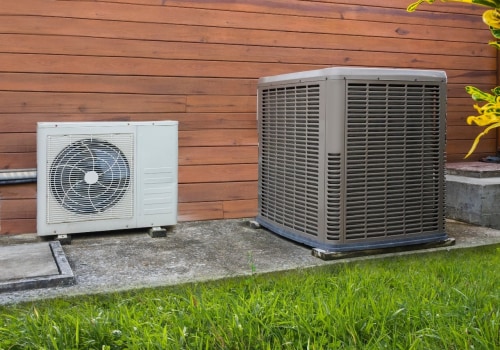
- Keep the Outdoor Unit Clean: Ensure that the outdoor condenser unit is free from debris such as leaves, dirt, and grass clippings. A clean unit allows for better airflow and efficiency. Trim any nearby vegetation to maintain at least two feet of clearance around the unit.
- Check Thermostat Settings: Regularly verify that your thermostat is functioning correctly.
Consider upgrading to a programmable or smart thermostat, which can optimize energy use by adjusting temperatures based on your schedule.
- Inspect Ductwork for Leaks: Leaky ducts can lead to significant energy loss. Inspect your ductwork for any signs of wear or damage and seal any leaks with appropriate materials. This will improve efficiency and comfort in your home.
- Monitor System Performance: Pay attention to how your HVAC system operates. If you notice unusual noises, inconsistent temperatures, or increased energy bills, these could be signs that maintenance is needed.
- Clean the Drain Line: A clogged drain line can cause water damage and affect system performance.
Periodically check and clean the drain line to prevent blockages that could lead to more significant issues.
Conclusion: Making the Right Decision for Your Home's Comfort
Deciding whether to replace your HVAC system is a significant choice that can impact your home’s comfort, energy efficiency, and overall costs. Throughout this article, we have explored various factors that can help you make an informed decision regarding your HVAC system's future.First and foremost, understanding the age of your HVAC unit is crucial. Systems older than 10 years often struggle to maintain efficiency and may lead to higher energy bills.If your unit is approaching or has surpassed this age, it’s wise to consider a replacement rather than ongoing repairs.Additionally, we discussed the importance of evaluating repair costs. If you find yourself frequently investing in repairs that add up to a significant portion of the replacement cost, it may be more economical in the long run to invest in a new system. This not only saves you money but also ensures you have a reliable unit that meets modern efficiency standards.Another critical aspect is the performance of your HVAC system. If you are experiencing inconsistent temperatures or frequent breakdowns, these are clear indicators that your system may no longer be capable of effectively heating or cooling your home.
In such cases, consulting with a professional can provide clarity on whether repairs or a full replacement is the best course of action.Moreover, advancements in technology mean that newer HVAC systems are often more energy-efficient and environmentally friendly. Upgrading to a modern unit can lead to substantial savings on energy bills and contribute positively to reducing your carbon footprint.In conclusion, making the right decision about your HVAC system involves careful consideration of its age, repair costs, performance issues, and technological advancements. By weighing these factors thoughtfully, you can ensure that your home remains comfortable year-round while also being mindful of your budget and environmental impact. If you're still uncertain about the best path forward, don’t hesitate to reach out to local experts for personalized advice tailored to your specific needs.